


































PESHAWAR (MNN); The Khyber Pakhtunkhwa government has decided to withdraw the controversial provisions of the KP Provincial Assembly (Powers, Immunities and Privileges) Act, 2026, following widespread criticism from the public, media and civil society over the enhanced privileges granted to provincial lawmakers.
The decision was taken on the directives of Chief Minister Sohail Afridi, who ordered a comprehensive review of the legislation after it sparked intense debate over its provisions. The law, passed by the provincial assembly in April, had introduced a number of new benefits for Members of the Provincial Assembly (MPAs), including blue passports for lawmakers and their spouses, arms licences, immunity from preventive detention and a requirement for the Assembly Speaker’s approval before any member could be arrested in criminal cases.
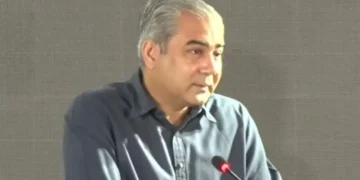
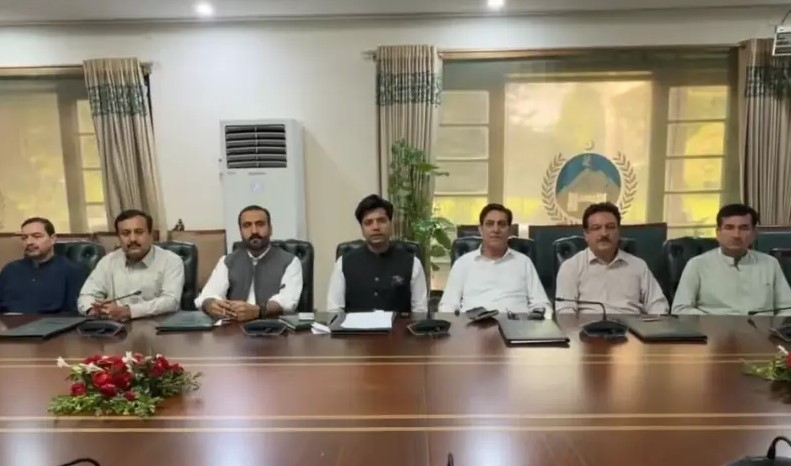
Announcing the decision in a video message shared on X, Provincial Information Minister Shafi Jan said the provincial government had resolved to withdraw all controversial clauses incorporated in the legislation.
He said the decision was made during a meeting of the provincial cabinet chaired by the chief minister, while KP Assembly Speaker Babar Saleem Swati joined the deliberations through a video link. Following consultations between the chief minister and the assembly speaker, it was unanimously agreed that all disputed provisions would be removed.
The minister said the withdrawn clauses would be replaced with provisions in line with the Khyber Pakhtunkhwa (Powers, Privileges and Immunities) Act, 1988, restoring the legal framework that had governed lawmakers’ privileges before the enactment of the new law.
He added that a meeting of parliamentary leaders would be convened on Monday to brief them on the government’s decision and discuss the proposed amendments.
Shafi Jan emphasized that the provincial assembly had been elected through the genuine mandate of the people and would not pursue legislation that conflicted with public expectations. He assured journalists and citizens that the government would listen to their concerns and take appropriate measures to address them.
Meanwhile, KP Governor Faisal Karim Kundi called for a uniform national policy governing the salaries, privileges and benefits of lawmakers across the country.
In a statement posted on X, the governor urged National Assembly Speaker Ayaz Sadiq and Senate Chairman Yousaf Raza Gillani to convene a meeting of the speakers of all four provincial assemblies to develop a harmonised legislative framework for lawmakers’ salaries, official privileges and entitlements.
He argued that no province should introduce extraordinary privileges for its legislators while simultaneously asking citizens to observe financial austerity. According to the governor, salaries, official security, diplomatic passports, allowances and other benefits should remain uniform throughout the federation to ensure equality and transparency.
Kundi further stated that a harmonised national framework would promote fairness, accountability and strengthen public confidence in democratic institutions.
Although Governor Kundi had formally assented to the legislation on May 6, he clarified that he had simultaneously expressed serious reservations regarding several provisions of the law.
He said he had consistently maintained that legislation should not be used to expand official privileges at a time when the people of Pakistan, particularly those in Khyber Pakhtunkhwa, were facing economic hardship and were being urged to adopt austerity measures.
The governor revealed that while approving the bill under his constitutional authority, he had recommended strict implementation of the Prime Minister’s 14-point austerity policy, including reductions in government expenditures, fuel conservation and elimination of unnecessary official perks.
He maintained that fiscal discipline and prudent use of public resources must remain central to governance, adding that public funds belong to the people and should not be spent on expanding privileges for public office holders.
The provincial government’s decision to amend the legislation is being viewed as a significant policy reversal, reflecting growing public pressure for transparency, financial discipline and equal accountability of elected representatives.