













































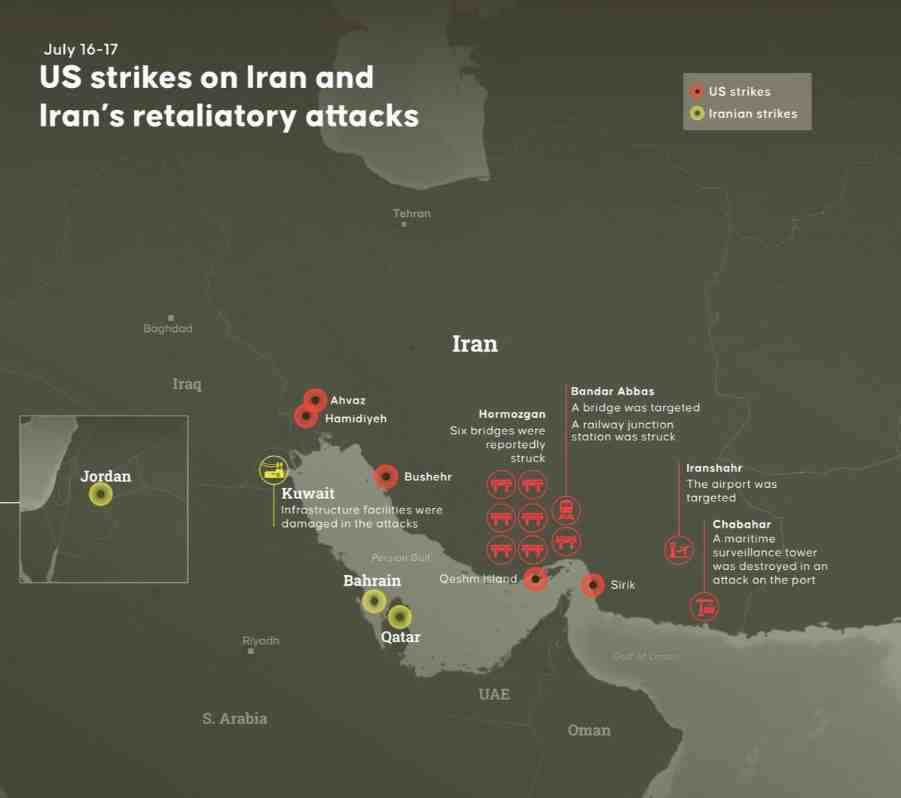
TEHRAN/DOHA/ISLAMABAD (MNN); Tensions in the Middle East intensified on Friday as Iran’s Islamic Revolutionary Guard Corps (IRGC) warned that US naval forces in the region were nearing the “zero hour” of an Iranian military operation, while Gulf countries strongly condemned fresh Iranian missile and drone attacks targeting Bahrain, Kuwait, Qatar and Jordan.
In a statement broadcast by Iranian state television, the IRGC Navy Command said Iranian naval forces were closely monitoring the movements and military deployments of US forces in regional waters.
“The Americans are drawing closer every moment to the zero hour of an operation by Iran’s Armed Forces against US Central Command (CENTCOM) naval units,” the statement said, ending with the warning: “Wait and see.”
Meanwhile, the United Arab Emirates strongly condemned Iran’s latest attacks on Bahrain, Kuwait, Qatar and Jordan, describing them as a blatant violation of the sovereignty of brotherly nations and a serious threat to regional peace and stability.
In an official statement, the UAE Ministry of Foreign Affairs reaffirmed its full solidarity with Bahrain, Kuwait, Qatar and Jordan and expressed support for all measures aimed at safeguarding their security.
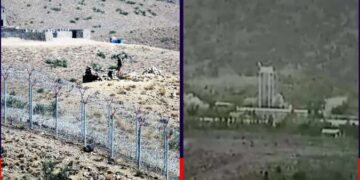
On the military front, the US Central Command (CENTCOM) announced that its forces had destroyed a surveillance tower at Iran’s Chabahar Port, alleging that the facility had long been used by the IRGC to monitor and target commercial vessels passing through the Strait of Hormuz.
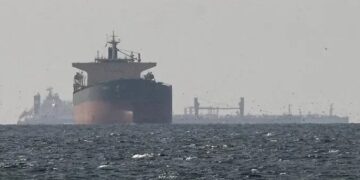
CENTCOM said the strike had weakened Iran’s ability to coordinate attacks against commercial shipping and would help ensure freedom of navigation for international maritime traffic, while maintaining the ongoing US naval blockade against Iran.
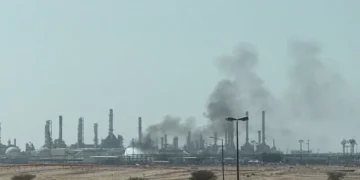
According to reports, US airstrikes targeted several military installations and strategic infrastructure sites across southern Iran, while Tehran responded by launching missile and drone attacks against locations in Jordan, Kuwait, Bahrain and Qatar.
The Kuwaiti military confirmed that several personnel were injured after what it described as enemy drone attacks struck military camps and facilities across the country. Senior military officials later visited the wounded soldiers in hospital.
IRGC Aerospace Force Commander Brigadier General Seyed Majid Mousavi declared that Iranian military operations would continue until stability returned to Iran’s southern coastline and the Strait of Hormuz.
He said Iran considered its entire territory—from Tehran to the southern coast—as a unified defence front and warned that precision strikes against enemy targets would continue until Tehran achieved its military objectives.
Separately, Iranian Foreign Minister Abbas Araghchi criticised the United States, accusing Israel of exerting excessive influence over Washington’s foreign policy.
In a post on X, Araghchi questioned what he described as Israeli efforts to draw the United States into a wider regional conflict, referring to media reports alleging Israeli influence operations targeting segments of the American political establishment.
He also claimed that Israel was using American taxpayer money to suppress criticism within the United States, adding that the truth would eventually emerge.
The latest developments underscore the rapidly escalating confrontation between Iran and the United States, raising fresh concerns over regional security and the safety of global energy supplies passing through the strategically vital Strait of Hormuz.