
















































ISLAMABAD (MNN); Pakistan remained high alert on Yaum-i-Ashura Friday as elaborate security arrangements were implemented across the country to ensure the peaceful observance of Muharram 10.
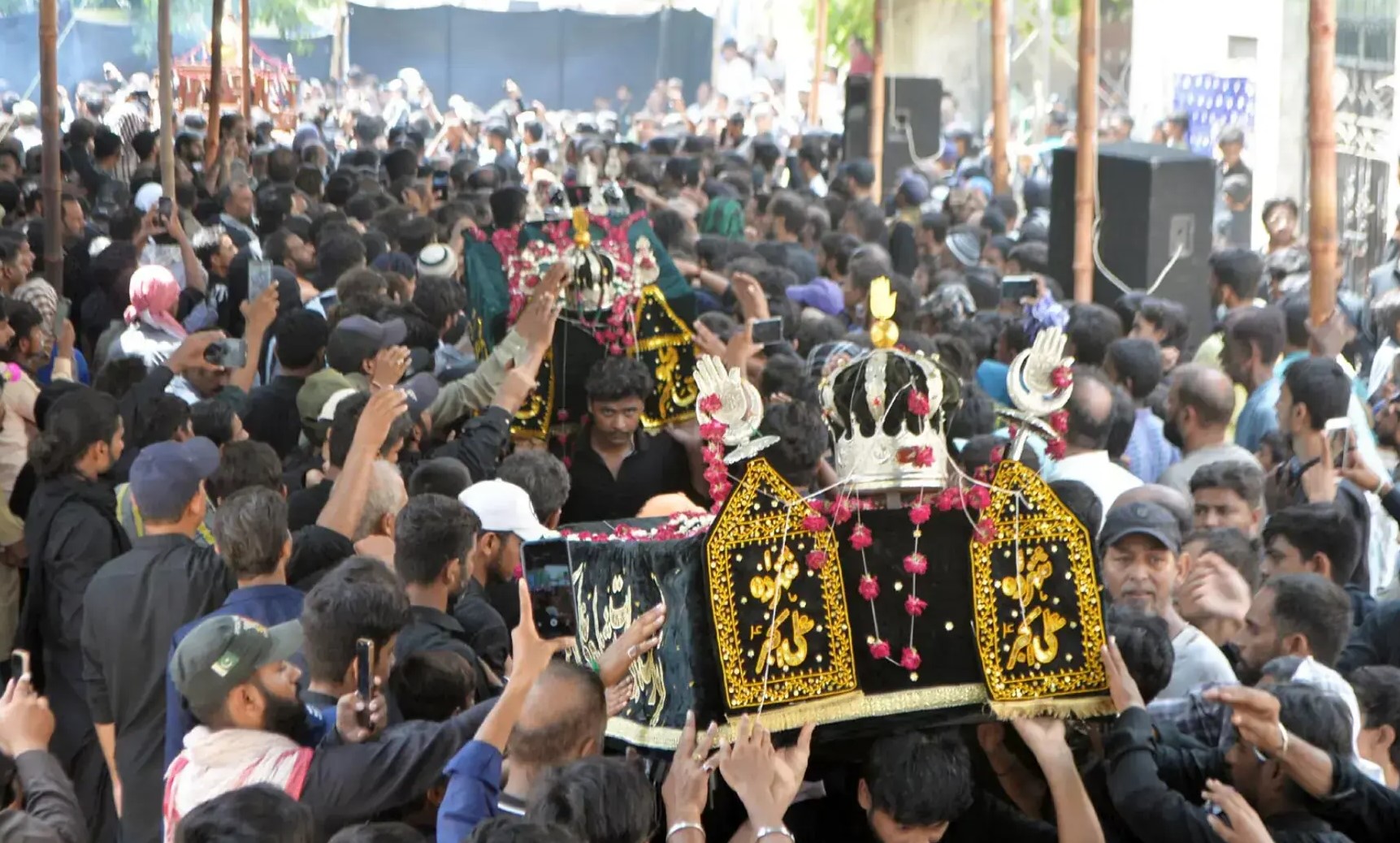
Thousands of mourning processions and religious gatherings were held to commemorate the martyrdom of Hazrat Imam Husain (RA) and his companions in the historic Battle of Karbala in 680 AD.
The central Ashura procession in Karachi began from Nishtar Park in the morning and concluded at Imambargah Hussainia Iranian after passing through its traditional route. In Hyderabad, the main procession started from Qadam Gah Maula Ali and culminated at Karbala Dadan Shah.
No major Ashura procession was held in Islamabad, while Rawalpindi’s central procession commenced from Imambargah Ashiq Hussain in Taili Mohallah and concluded at Imambargah Qadeemi. In Lahore, the central procession started from Nisar Haveli and ended at Karbala Gama Shah later in the day. Processions and Majalis across Multan and other districts of South Punjab also concluded peacefully.
In Peshawar, twelve Ashura processions followed their traditional routes through the old city and ended without any untoward incident.
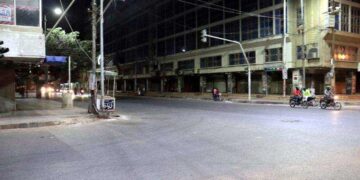
Authorities had advised commuters in major cities to use alternative routes due to road closures along procession routes, while extensive security measures were enforced to safeguard mourners.
In Karachi, around 20,000 police personnel were deployed across the city, including 6,500 officers assigned to the central procession. Sindh Chief Minister Syed Murad Ali Shah joined a mourning procession and said nearly 60,000 police and Rangers personnel had been deployed across Sindh to secure more than 1,600 Muharram processions.
Sindh Home Minister Ziaul Hasan Lanjar said mobile phone services had been suspended in sensitive areas, while over 53,000 police officers, 6,000 to 7,000 Rangers personnel and army units on standby were ensuring security throughout the province.
Rawalpindi witnessed one of the country’s largest security deployments, with five companies of the Pakistan Army, seven companies of Rangers and thousands of police personnel performing security duties. More than 8,000 police officers, including 5,500 assigned to the central procession, were deployed under a comprehensive security plan.
Authorities sealed roads and streets along procession routes, stationed snipers on rooftops and established multiple surveillance systems through Safe City cameras and control rooms. Section 144 remained in force, while Metro Bus Service between Rawalpindi and Islamabad was suspended due to security concerns.
Across Punjab, over 125,000 police personnel, supported by 61 companies of the Pakistan Army and 76 companies of Rangers, were deployed under a three-tier security strategy. More than 30,000 trained volunteers also assisted law enforcement agencies.
The Punjab government utilised artificial intelligence-based surveillance, body-worn cameras, geo-tagged monitoring systems, over 5,600 CCTV cameras and more than 1,000 event cameras to monitor Muharram processions. Mobile phone services remained partially suspended in 24 districts until 10pm in sensitive areas.
Lahore Police deployed over 15,000 officers, while additional surveillance cameras and snipers were positioned along procession routes to maintain security.
In Khyber Pakhtunkhwa, over 43,000 police personnel were deployed province-wide, including 12,000 officers in Peshawar. Three-layer security, bomb disposal squads, sniffer dogs, plainclothes personnel and Safe City surveillance systems remained active throughout the day. Section 144 was also enforced in several districts.
According to officials, 614 Imambargahs and more than 900 Muharram processions across the province were monitored under an extensive security plan.
Meanwhile, Balochistan deployed over 32,000 security personnel, including more than 17,000 in Quetta alone. Authorities conducted aerial surveillance, monitored procession routes through CCTV cameras and sealed markets and commercial centres located along the routes. Mobile phone and internet services also remained suspended in Quetta and other sensitive areas as part of the security measures.
Medical teams, Rescue 1122, Civil Defence personnel, mobile health units, field hospitals and sanitation workers remained on duty nationwide to facilitate mourners and respond to any emergency. Authorities reported that Ashura processions and religious gatherings concluded peacefully across the country under unprecedented security arrangements.