























































By Asif Naveed
RAWALPINDI (MNN); A Rawalpindi district court on Tuesday sentenced three convicts, including the main accused Farrukh Khokhar, to life imprisonment in the high-profile murder case of Pakistan Tehreek-e-Insaf (PTI) leader and transport union activist Majid Satti, bringing an end to nearly four years of trial proceedings.
The verdict was announced by Additional District and Sessions Judge Afshan Ijaz Sufi at the Judicial Complex amid extraordinary security arrangements, with a heavy police contingent deployed inside and outside the court to maintain law and order. Family members, lawyers, and supporters of both sides were present during the proceedings.
The court found Farrukh Khokhar guilty of orchestrating the murder and awarded him life imprisonment along with a fine of Rs1 million. Co-accused Haider Ali and Amir Hamza were also convicted and handed life sentences with fines of Rs1 million each. However, another accused, Waseem, was acquitted after the court granted him the benefit of the doubt due to insufficient evidence.
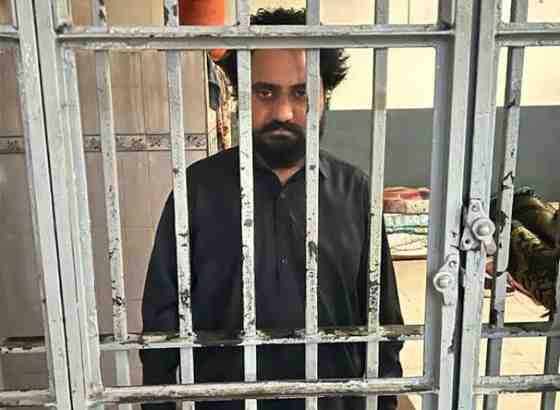
Following the verdict, police immediately took Farrukh Khokhar—who had been out on bail—into custody inside the courtroom under court orders. The two other convicted men, who had been produced from jail for the hearing, were returned to prison to serve their sentences.
The case relates to the murder of PTI leader Majid Satti, who was shot dead on August 8, 2022, near Sixth Road within the jurisdiction of Sadiqabad Police Station in Rawalpindi.
The incident had sparked widespread political and public attention, prompting a detailed police investigation that led to the nomination of Farrukh Khokhar and his associates in the murder case. According to investigators, the prosecution presented witness testimony and other evidence during the trial that ultimately led to the convictions.
Police officials described the verdict as a significant success for the investigation and prosecution teams, stating that the judgment reflected the effectiveness of coordinated efforts to secure justice in a high-profile criminal case.
The convicts retain the legal right to challenge the verdict before a higher court under Pakistan’s judicial process.