




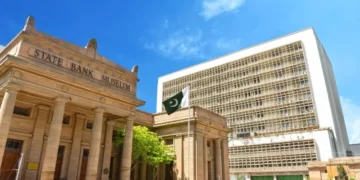







































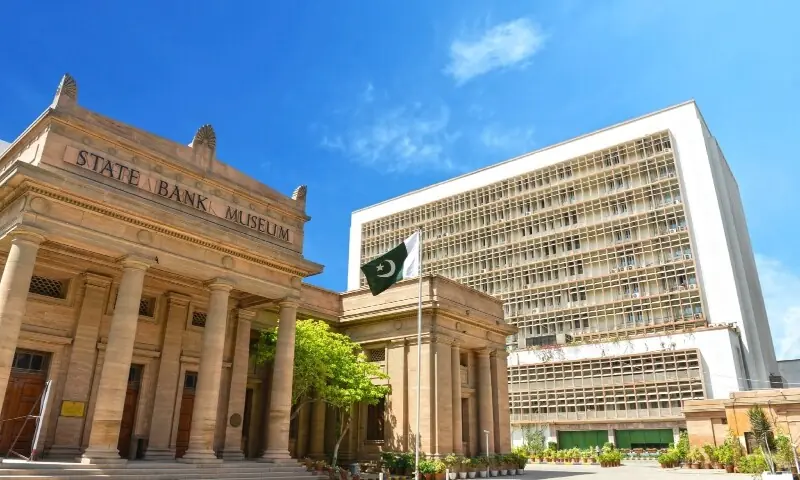
KARACHI (MNN); The State Bank of Pakistan (SBP) on Monday kept its key policy rate unchanged at 11.5 per cent, with the Monetary Policy Committee (MPC) taking the decision by a majority of seven out of 10 members.
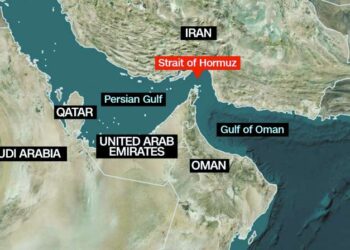
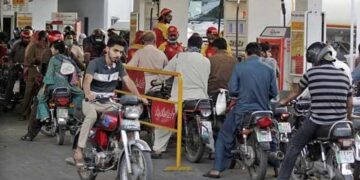
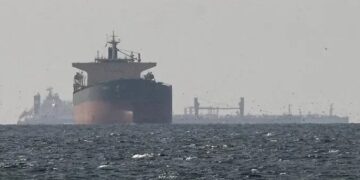
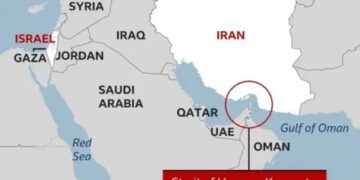
The decision comes amid heightened geopolitical tensions in the Middle East, which have pushed up global commodity and oil prices and increased risks to inflation and supply chains.
In its statement, the MPC said the recent escalation in the Middle East conflict had resulted in higher global commodity prices and continued supply-chain disruptions. However, it noted that recent domestic macroeconomic indicators had remained broadly in line with expectations.
Headline inflation rose to 11.1pc year-on-year in August, compared with 9.2pc in July, while core inflation remained slightly below the MPC’s expectations.
The committee said pressures on the external account remained contained, supported by strong workers’ remittances and increased financial inflows. It also noted signs of improving economic activity, reflected in recent high-frequency indicators.
The MPC said the existing policy rate remained appropriate for steering inflation towards the 5-7pc medium-term target range, although uncertainty surrounding the economic outlook had increased because of the worsening geopolitical situation.
Foreign Reserves Cross $21 Billion
The committee highlighted several developments since its previous meeting, including Pakistan’s sovereign credit-rating upgrade to B3 with a stable outlook by Moody’s.
It also noted that Pakistan had returned to international capital markets and raised $3 billion through Eurobonds, contributing to an increase in foreign exchange reserves to more than $21 billion.
However, inflation expectations among both businesses and consumers increased in September, while confidence weakened, according to the MPC.
The committee also noted that large-scale manufacturing output declined 3.5pc in June, bringing cumulative FY26 growth to around 5pc.
Fiscal consolidation exceeded the budget target during FY26, while Federal Board of Revenue (FBR) tax collection remained broadly on target during July and August of FY27.
The SBP also transferred Rs1.9 trillion in profits to the government, exceeding the budgeted amount of Rs1.4 trillion.
SBP Warns of Global and Geopolitical Risks
The MPC said central banks around the world had adopted a more cautious approach amid challenging global economic conditions.
It reaffirmed its commitment to maintaining price stability while closely monitoring incoming economic data and developments in the Middle East.
The committee warned that geopolitical shocks and weather-related disruptions had become more frequent, creating additional risks to Pakistan’s macroeconomic outlook.
It stressed the importance of maintaining a prudent combination of monetary and fiscal policies and further strengthening economic buffers to absorb potential supply-side shocks.
Policy Rate History
Bankers had largely expected the SBP to maintain the status quo, although some analysts had anticipated a 50-basis-point increase because of rising global energy prices and supply-chain risks.
The central bank has maintained the rate at its current level since raising it by 100 basis points in April, its first increase in almost three years.
Before that, the SBP had kept the rate at 10.5pc in January and March, following a surprise 50-basis-point cut in December 2025.
Since mid-2024, the SBP has reduced the policy rate by a cumulative 1,050 basis points, bringing it down from the record 22pc reached in June 2023, as inflation declined substantially from multi-decade highs.