



















































ISLAMABAD/LAHORE/PESHAWAR (MNN); The death toll from rain-related incidents during the ongoing monsoon spell has risen to 20 in Khyber Pakhtunkhwa (KP) as flash floods, roof collapses and landslides continue to wreak havoc across the province, while heavy rainfall also caused widespread flooding and disruption in several cities of Punjab.
According to the Pakistan Meteorological Department (PMD), the current spell of monsoon rains, which began on July 19, is expected to continue until July 23, with authorities warning of further flash floods, urban flooding and landslides in vulnerable areas.
KP Death Toll Reaches 20
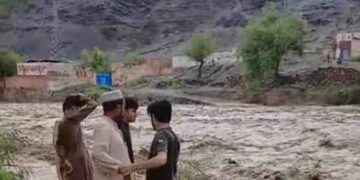
The latest casualties were reported from North Waziristan, where two men drowned after being swept away by a flash flood in the Tochi River, Rescue 1122 confirmed.
Rescue spokesperson Noor Islam said emergency teams recovered both bodies after hours-long rescue efforts and warned that water levels in the Tochi River had reached dangerous levels due to continuous rainfall.
Residents were urged to stay away from rivers, seasonal streams and flood channels, as water levels could rise suddenly without warning.
Earlier, four members of the same family—including a husband, wife and their two children—lost their lives when the roof of their house collapsed during heavy rain in Bangiwala village near Sararogha Tehsil in Upper South Waziristan.
According to the Provincial Disaster Management Authority (PDMA), at least 20 people have died, dozens have been injured, 30 houses have been damaged or destroyed, and livestock losses have also been reported since the current spell began.
The KP PDMA said all district administrations had been directed to remain on high alert, although water levels in major rivers were currently within normal limits. Citizens have been advised to contact the emergency helpline 1700 for weather updates and disaster assistance.
Landslides Cut Off Wana-Gomal Zam Road
Heavy rainfall triggered landslides in Lower South Waziristan, blocking the strategic Wana-Gomal Zam Road, one of the region’s main trade and transport routes.
Large rocks, damaged culverts, washed-away protection walls and deep potholes have made the road impassable, severely affecting transportation and supply movement.
District authorities said restoration work had begun using heavy machinery and expressed hope that traffic would resume soon.
Local tribal elders urged Prime Minister Shehbaz Sharif to immediately approve reconstruction of the road, saying it had remained in poor condition for several months and frequently became inaccessible during rainfall.
Flash floods also damaged agricultural land in several parts of Lower South Waziristan after streams overflowed following heavy downpours.
Federal Government Reviews Preparedness
Planning Minister Ahsan Iqbal chaired the third meeting of the Emergency Response Committee at the National Emergencies Operations Centre (NEOC) to review national preparedness for the ongoing monsoon season.
The meeting, attended by NDMA Chairman Lt Gen Inam Haider Malik and senior officials from relevant ministries, reviewed provincial preparedness, relief operations, drainage systems and emergency response mechanisms.
The minister directed all concerned departments, including WAPDA, NDMA and provincial authorities, to remain on maximum alert.
“Our foremost priority is protecting lives, safeguarding vulnerable communities and ensuring rapid relief operations wherever required,” Ahsan Iqbal said.
Punjab Receives Record Rainfall
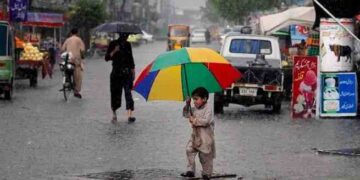
Meanwhile, torrential rains lashed several cities across Punjab over the past 24 hours, causing urban flooding, traffic disruptions and prolonged power outages.
According to the Provincial Disaster Management Authority (PDMA), Gujranwala received a record 245 millimetres of rainfall, while Lahore recorded 123mm, Sialkot 139mm, Mandi Bahauddin 138mm, Narowal 117mm, Gujrat 95mm and Chakwal 70mm.
The PDMA said at least 17 people have lost their lives in Punjab since the beginning of the monsoon season. Most deaths occurred due to collapsing buildings, while others resulted from lightning strikes and electrocution.
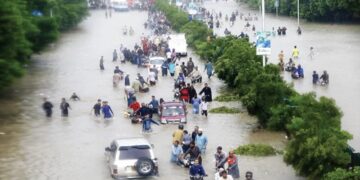
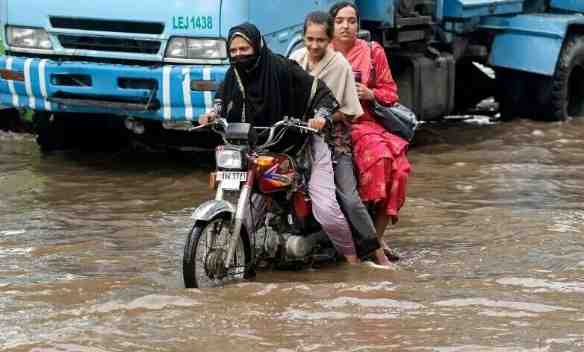
Rainwater inundated roads and residential areas in Lahore, Gujranwala, Gujrat and several other cities, leaving commuters stranded and disrupting normal life.
The Shamsi Underpass in Gujranwala was completely submerged, while roads in Lahore, including Johar Town, Township, Ferozepur Road, Multan Road, Gulshan-i-Ravi, Samanabad, Model Town and Lakshmi Chowk, witnessed severe water accumulation.
Despite widespread reports of urban flooding, Wasa Lahore claimed that drainage operations were continuing and that most major roads had been cleared.
Authorities said drainage teams had been deployed across 41 districts of Punjab and were continuously monitoring rivers, dams and barrages.
Punjab Chief Minister Maryam Nawaz appealed to citizens to avoid swimming or visiting canals, rivers and rainwater drains during the ongoing flood situation.
Punjab Housing Minister Bilal Yasin directed all departments to remain fully mobilised and prioritise drainage in low-lying areas, warning that above-normal rainfall was expected throughout the monsoon season.
Officials have urged the public to avoid unnecessary travel, remain updated through official weather advisories and immediately report emergencies to rescue services.