




























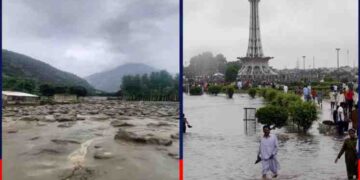
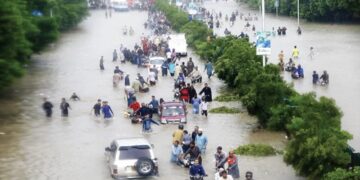











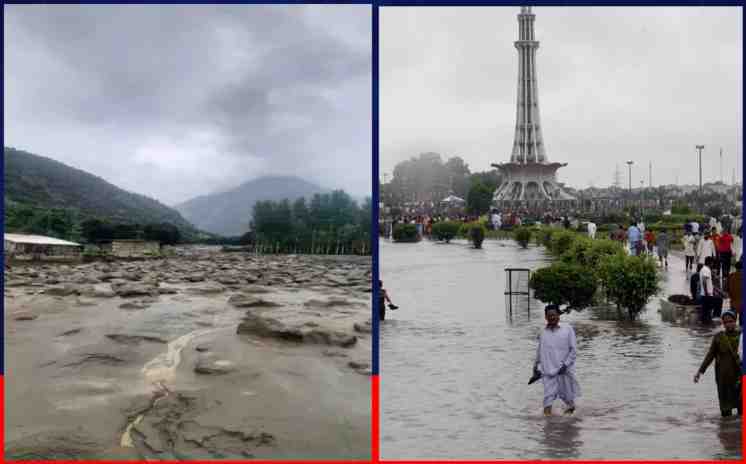
GILGIT/LAHORE/ISLAMABAD (MNN); Heavy monsoon rains battered Punjab and Gilgit-Baltistan on Thursday, causing severe urban flooding in Lahore and triggering flash floods and landslides across the northern region, leaving thousands of residents and tourists stranded while damaging roads, bridges, homes and public infrastructure.
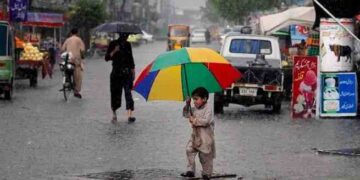
According to the Provincial Disaster Management Authority (PDMA), Lahore received 343 millimetres of rainfall during the past 48 hours, leading to water accumulation at more than 130 locations across the city. The authority warned that the second spell of monsoon rains could further increase the risk of urban flooding.
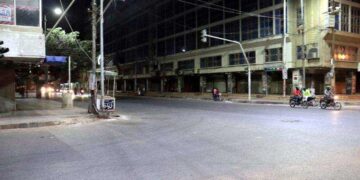
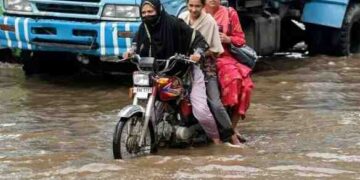
Major roads, intersections and underpasses remained submerged, disrupting routine life and slowing traffic despite emergency drainage operations launched by the Water and Sanitation Agency (Wasa). Water levels reached up to three to four feet in several localities, creating serious difficulties for commuters.
Among the worst-hit areas were DHA Phases 1 to 5, Defence Mor, Main Boulevard DHA, Mall Road, Harbanspura, Cooper Road, Lakshmi Chowk and Chouburji. The Ghazi Underpass and Masjid Chowk Underpass were closed after being inundated, forcing authorities to divert traffic through alternate routes.
Rainwater also entered homes in several low-lying neighbourhoods, with residents complaining that they were forced to remove water from their houses themselves due to delayed drainage operations. Many vehicles became stranded on flooded roads, while motorists avoided several major routes fearing breakdowns.
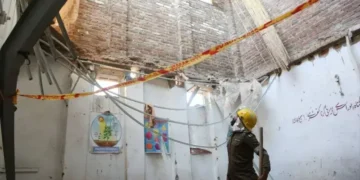
The heavy rains also caused the formation of large sinkholes on Canal Road, Johar Town Main Boulevard, Bhekay Wala Mor and Khayaban-i-Firdousi, prompting Lahore Traffic Police to cordon off the affected areas and redirect traffic.
According to the PDMA, 21 people have lost their lives and 154 others have been injured in rain-related incidents across Punjab during the ongoing monsoon season. The fatalities include 15 deaths caused by building collapses, two by lightning, three due to electrocution and one by drowning, while at least 38 houses suffered partial damage.
PDMA Director General Umar Abbas Mela directed district administrations to remain on high alert and advised citizens to stay away from weak buildings, low-lying areas and exposed electricity infrastructure during heavy rainfall.
Wasa Lahore said emergency drainage operations were continuing across the city. Managing Director Ghufran Ahmed inspected flood-hit areas, stating that all disposal stations were operating at full capacity, additional machinery had been deployed and more than 21 emergency monsoon relief camps had been established. He added that Wasa’s 24-hour control room was monitoring the situation through over 200 live surveillance cameras installed across Lahore.
Lahore Deputy Commissioner Capt (Retd) Ali Ijaz also visited affected areas and said that most major roads had been cleared, while work was continuing to drain remaining waterlogged localities.
Chief Traffic Officer Syed Abdul Raheem Sherazi instructed officials to secure sinkhole sites, deploy traffic personnel at flooded underpasses and ensure smooth traffic flow through alternative routes.
Flash Floods Ravage Gilgit-Baltistan
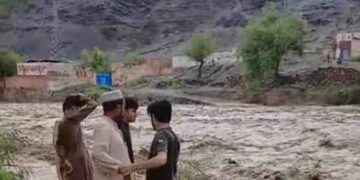
Meanwhile, torrential rains in Gilgit-Baltistan triggered flash floods and landslides that severely disrupted transportation and communication networks across the mountainous region.
The Pakistan Meteorological Department (PMD) has forecast more rainfall and warned of Glacial Lake Outburst Floods (GLOFs) across Gilgit-Baltistan until July 26, urging residents and tourists to avoid unnecessary travel.
Floodwaters blocked the Karakoram Highway (KKH), Babusar Road, Baltistan Road, Naltar Highway, Ghizer-Shandur Road, Astore Valley Road and several other key routes, leaving thousands stranded in remote areas.
The Gilgit-Baltistan Disaster Management Authority (GBDMA) said the KKH remained blocked at several locations between Dassu, Hunza and Nagar due to landslides and flood damage.
In Skardu’s Rondu subdivision, flash floods in Tormak Nallah washed away at least three major communication bridges, including the Malan Bridge. Roads, agricultural land, irrigation channels, suspension bridges, power houses and other infrastructure also sustained extensive damage across Kharmang, Ghanche, Shigar, Haramosh, Ghizer and Diamer districts.
Floods disrupted electricity, water supply and communication services in Astore, Tangir, Thore and several parts of Diamer, while many villages became completely isolated after roads and bridges were destroyed.
Dozens of families in Losala village, Thore Valley, Tangir and surrounding areas were rendered homeless, while rising water levels in the Hunza-Nagar River threatened several households in Gilgit’s Jutal area. River erosion also damaged agricultural land in Ghizer district, where major roads remain blocked.
Relief Operations Accelerated
The GBDMA, district administrations, Rescue 1122, NDMA and other emergency agencies are carrying out joint rescue and relief operations. Affected families are being shifted to safer locations, while tents, food, medicines and clean drinking water are being distributed.
Gilgit-Baltistan Chief Minister Amjad Hussain directed all departments to accelerate relief and rehabilitation efforts, restore damaged roads and bridges, and ensure uninterrupted supplies of food, medicines, clean water and emergency shelter.
He also instructed commissioners and deputy commissioners to personally supervise relief activities and submit daily progress reports to the Chief Minister’s Secretariat.
During a visit to the National Disaster Management Authority (NDMA) headquarters in Islamabad, Chief Minister Hussain met NDMA Chairman Lieutenant General Inam Haider Malik to review disaster preparedness and response measures.
The NDMA chairman said advanced scientific systems are being used to monitor glaciers across Gilgit-Baltistan and provide timely early warnings to minimise disaster risks.
Chief Minister Hussain stressed that climate change has significantly increased the risks of glacial lake outburst floods, flash floods and landslides in Gilgit-Baltistan, calling for stronger coordination between federal and provincial institutions to protect communities, infrastructure and natural resources.