







































ISLAMABAD (MNN); Pakistan has conveyed to Iran that any attack by Yemen’s Houthi movement on Saudi Arabia would be considered an attack on Pakistan itself, reaffirming its commitment to the mutual defence agreement between Islamabad and Riyadh, according to a senior Pakistani official.
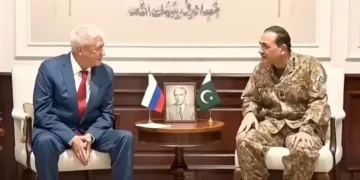
Speaking to Reuters on condition of anonymity, the official said Pakistan’s top civilian and military leadership had delivered the message to Iranian authorities at the highest level following recent Houthi missile attacks on Saudi Arabia.
“Our top civil and military leaders have conveyed to Iran that attacks on Saudi Arabia are attacks on Pakistan. It is our red line,” the official said.
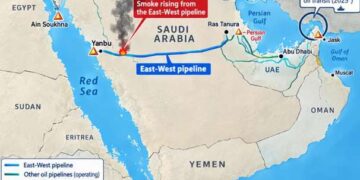
The statement comes after Houthi forces launched missile attacks on Saudi Arabia earlier this week, accusing the Kingdom of carrying out airstrikes on an airport under their control. The exchange marked the first major cross-border attack since a four-year truce, although the situation has so far remained limited to a single incident.
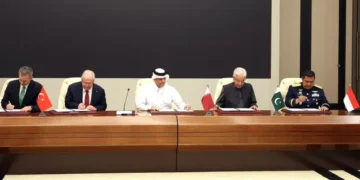
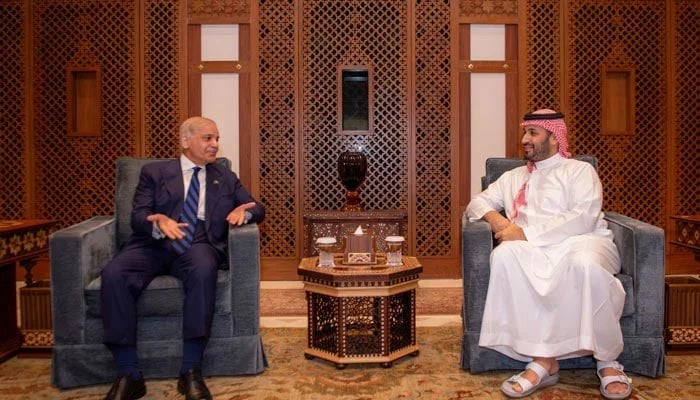
Pakistan and Saudi Arabia signed a mutual defence agreement last year under which both countries pledged to regard any aggression against either nation as an attack on both.
Security analysts said Islamabad had not anticipated such a rapid escalation in regional tensions after recently helping facilitate an interim understanding between the United States and Iran.
Officials also confirmed that Pakistani military personnel are currently deployed near Saudi Arabia’s border with Yemen, increasing Pakistan’s direct exposure should the conflict widen.
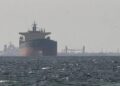
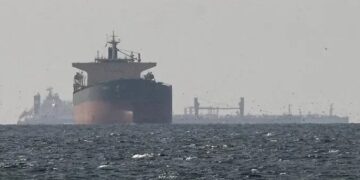
Islamabad is also concerned that further escalation by the Houthis could disrupt commercial shipping through the Red Sea, a key international trade route that is vital for Pakistan’s imports and exports.
Analysts said Pakistan is continuing its diplomatic efforts to maintain dialogue with all regional stakeholders while encouraging de-escalation. However, they cautioned that Islamabad’s position could become more difficult if Houthi attacks expand deeper into Saudi territory.
The defence agreement announced last year was widely viewed as reflecting closer strategic cooperation between Pakistan and Saudi Arabia at a time when Gulf states were reassessing regional security arrangements.
Pakistan remains heavily dependent on Middle Eastern countries for oil and gas imports. Previous tensions around the Strait of Hormuz disrupted energy supply routes and prompted emergency measures, including reduced business hours, to conserve fuel supplies.
Analysts believe Pakistan’s mediation efforts between Washington and Tehran are aimed not only at reducing regional tensions but also at ensuring uninterrupted energy supplies and safeguarding vital trade routes.
Despite growing regional uncertainty, officials indicated that Islamabad remains committed to its diplomatic engagement while reaffirming that it will honour its defence commitments to Saudi Arabia if required.
The report is based on statements made by unnamed Pakistani officials to Reuters and has not been officially confirmed by the Government of Pakistan.