

































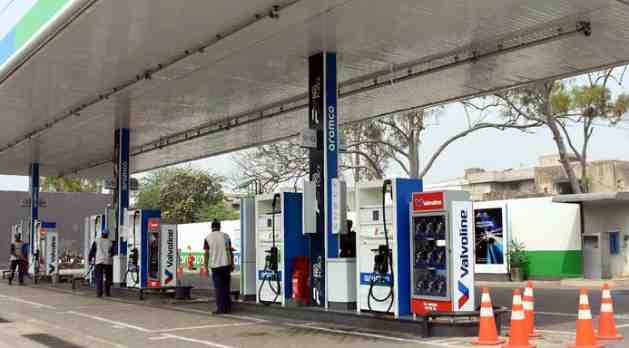
ISLAMABAD (MNN);The All Pakistan Petrol Pumps Owners Association (APPPOA) has announced an indefinite nationwide strike beginning Wednesday midnight after negotiations with the government over the proposed daily petroleum pricing mechanism ended without any breakthrough.
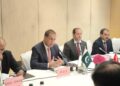
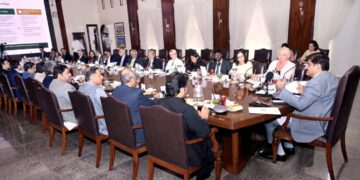
The decision came following a meeting between APPPOA representatives and a government delegation led by Petroleum Minister Ali Pervaiz Malik. After nearly an hour of talks, the association said the discussions failed to resolve its concerns, leaving petrol pump owners with no option but to suspend operations across the country.
The APPPOA delegation included Chairman Humayun Khan, Vice Chairman Nauman Ali Butt, and other office-bearers.
Speaking to the media after the meeting, Vice Chairman Nauman Ali Butt rejected the government’s proposal to revise petroleum prices every day, describing it as impractical and unacceptable for petrol pump operators.
He said dealers wanted petroleum prices to continue being revised on a monthly basis, arguing that daily price changes would create operational difficulties and financial uncertainty. He also pointed out that petrol dealers’ commissions have remained unchanged for the past three years despite rising operational costs, urging the government to approve an increase without further delay.
Chairman Humayun Khan said petrol pump owners were already facing significant financial pressures due to regulatory requirements imposed by the Oil and Gas Regulatory Authority (OGRA), oil marketing companies (OMCs), and government policies.
He argued that the proposed daily pricing mechanism would primarily benefit oil marketing companies, allowing them to manipulate fuel deliveries according to expected price fluctuations while shifting financial risks onto petrol pump owners.
Calling the government’s decision disappointing, Khan said key stakeholders were not consulted before introducing such a major policy change.
“The survival of thousands of petrol pump owners is at stake,” he said, announcing that nearly 15,000 petrol pumps across Pakistan would remain closed from Thursday if the government failed to review its decision.
The APPPOA demanded the immediate withdrawal of the daily fuel pricing mechanism, an increase in dealer commissions, and the inclusion of petrol pump owners in future policy-making discussions.
PPDA Yet to Decide on Strike
Meanwhile, the Pakistan Petroleum Dealers Association (PPDA) has not yet taken a final decision on joining the strike and is expected to announce its position after a meeting of its executive committee on Wednesday.
PPDA Senior Adviser Malik Khuda Bukhsh said the association also opposed daily fuel pricing, calling the proposal unworkable for dealers.
He revealed that after meeting Petroleum Minister Ali Pervaiz Malik, the PPDA delegation held separate discussions with OGRA officials, who acknowledged dealers’ concerns and reportedly admitted that the decision to introduce daily pricing had been taken hastily.
According to Khuda Bukhsh, OGRA sought seven days to present the dealers’ concerns before the government and requested the association to avoid immediate protest action.
However, he clarified that only the PPDA’s executive committee had the authority to decide whether to launch a strike.
Government Defends New Pricing System
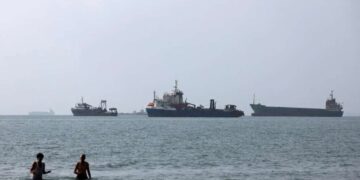
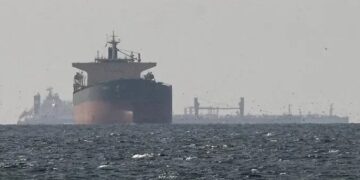
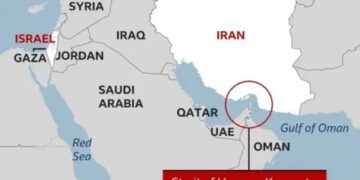
In contrast, the Petroleum Division maintained that its discussions with the PPDA had been successful and claimed that the association appreciated the government’s handling of petroleum supplies during the recent Strait of Hormuz crisis.
According to an official statement, Petroleum Minister Ali Pervaiz Malik explained that the new pricing mechanism would be based on a seven-day rolling average of international petroleum prices, replacing the current weekly announcement with daily updates.
The minister said the change was aimed at improving transparency, reducing market distortions, and ensuring domestic fuel prices more accurately reflected fluctuations in international oil markets.
The Petroleum Division further claimed that the PPDA had expressed support for the proposed system.
However, the association later published newspaper advertisements urging the government to reconsider the proposed 24-hour petroleum price adjustment mechanism, highlighting continuing differences between fuel dealers and the government.