






























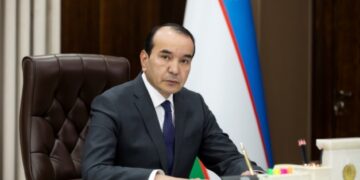






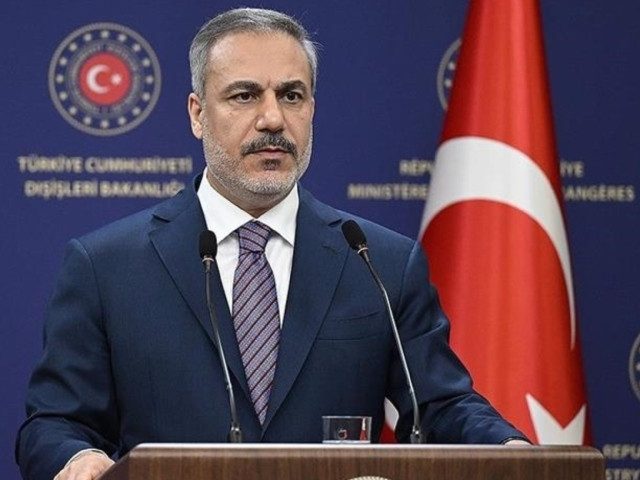
ANKARA/ISLAMABAD (MNN); Turkish Foreign Minister Hakan Fidan has said the Makkah Joint Defence Agreement among Türkiye, Pakistan and Saudi Arabia has reached an advanced stage, with the deployment of personnel and establishment of a headquarters identified as the key remaining steps toward institutionalising the alliance.
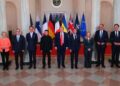
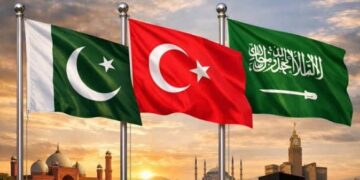
The trilateral agreement was signed in Makkah on August 7, 2026, by Turkish President Recep Tayyip Erdoğan, Saudi Crown Prince and Prime Minister Mohammed bin Salman and Pakistani Prime Minister Shehbaz Sharif. The accord provides that an armed attack against any one of the three countries will be regarded as an attack against all three, while also calling for broader defence cooperation and collective deterrence.
Speaking in a live interview with Turkish broadcaster NTV on Saturday, Fidan said there was a strong political commitment behind the arrangement and indicated that discussions could eventually begin on expanding the framework to other countries in the region.
“The Makkah alliance is at a good stage, and there’s a very strong will behind it,” Fidan said, adding that the remaining steps included deploying personnel and establishing its headquarters.
Fidan described the emerging framework as a potentially “game-changing platform” for regional security and said further consultations could take place once its institutional structure is established.
Pakistan’s Foreign Ministry has previously described the agreement as defensive in nature and said it is not directed against any particular country. Islamabad has also stated that the accord remains open to regional countries that accept its principles.
Türkiye Offers Possible Support to Saudi Arabia
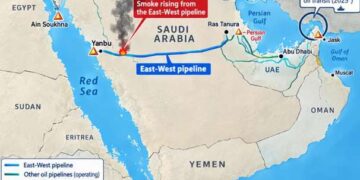
Fidan’s remarks came amid renewed Houthi attacks targeting Saudi Arabia. He said Türkiye stood in solidarity with Riyadh over what he described as attacks on Saudi Arabia’s territorial integrity and sovereignty.
“Saudi Arabia may need military-level support. As the Makkah alliance, we will take this up with Pakistan and can provide the necessary technical support,” Fidan said.
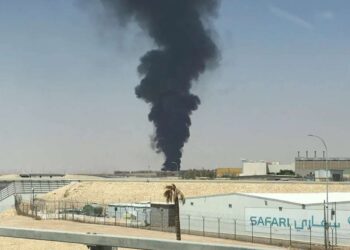
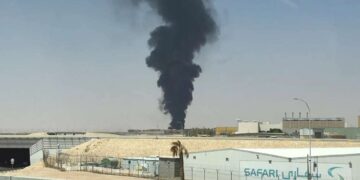
He added that Türkiye had condemned attacks on oil infrastructure near Makkah and that the situation was being closely monitored. Any potential Turkish assistance, he indicated, could focus on specific technical and military areas.
Recent reporting has also indicated that Saudi Arabia has been seeking additional military assistance as Houthi attacks have increased pressure on its air-defence capabilities and energy infrastructure.
Fidan also stressed that Saudi Arabia should not be drawn into the wider conflict between Iran and the United States.
“We won’t allow this to be made part of the ongoing conflict between Iran and the US. Saudi Arabia should be kept out of this,” he said.
Fidan Criticises Netanyahu’s Policies
Commenting on statements by Israeli Prime Minister Benjamin Netanyahu concerning Türkiye, Fidan said Netanyahu was attempting to maintain his domestic political position.
“Netanyahu is declaring himself indispensable and pursuing various means to remain in power and strengthen his political position at home,” he said.
Fidan further argued that Israel could face increasing international isolation under Netanyahu’s policies, saying that he regarded those policies as posing a threat beyond the region.
Bab el-Mandeb Diplomacy
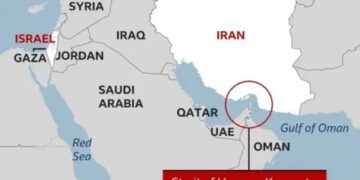
On efforts to address the crisis surrounding the Bab el-Mandeb Strait, Fidan said several diplomatic initiatives were currently under way but stressed that they would need to produce tangible results through the parties directly involved.
“There are many initiatives, but these initiatives need to produce certain outcomes through the relevant parties,” he said.
The Makkah agreement was formally signed on August 7 and is intended to strengthen collective security, defence cooperation and regional stability among Pakistan, Türkiye and Saudi Arabia.