





















































ISLAMABAD (MNN); A UK-supported artificial intelligence system is now monitoring production at all 27 cement factories across Pakistan, helping the Federal Board of Revenue (FBR) strengthen tax compliance, improve production reporting and enhance revenue collection.
Known as Digital Eye, the system was initially piloted in 2023 and uses AI-powered video analytics to monitor production lines in real time. It provides both manufacturers and tax authorities with an independent record of production, reducing reliance on manual inspections and paperwork.
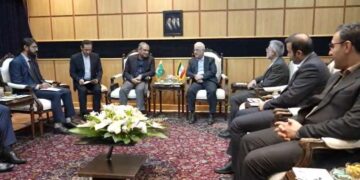
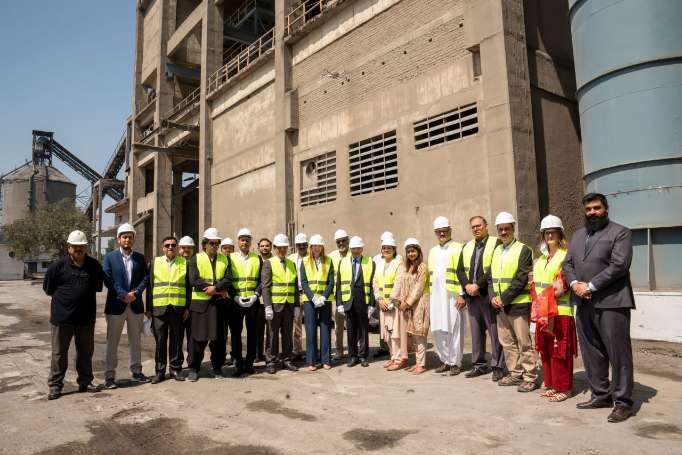
British High Commissioner Jane Marriott visited Fecto Cement along with senior FBR officials to observe the technology in operation. During the visit, officials toured the production line, examined the monitoring system and received a briefing on its role in Pakistan’s tax administration reforms.
British High Commissioner Jane Marriott CMG OBE said Digital Eye demonstrated practical cooperation between the UK and Pakistan and showed how technology developed in Pakistan could be expanded nationwide. She said the system could help strengthen tax compliance, promote fair competition and improve transparency, while UK technical assistance had contributed to developing the institutional capacity required to sustain the initiative.
Dr Najeeb Ullah, Chief Reforms & Modernization at the FBR, said real-time production monitoring had already strengthened compliance in the cement and sugar sectors without placing additional burdens on taxpayers who comply with regulations.
He said the FBR was now focused on improving the system’s accuracy, developing the skills of its own teams and expanding the technology to other sectors. He added that accurate production data would help protect businesses that honestly report their output.
Developed by a Pakistani technology company, Digital Eye was tested and refined before being deployed nationwide with technical support from the UK. The project has been presented as an example of how domestic technological innovation can be scaled through international cooperation to support national-level reforms.
The system works alongside the FBR’s existing Track and Trace System. While Track and Trace records products leaving production lines, Digital Eye independently monitors the production process through AI-based video analytics. Cross-checking data from both systems gives tax authorities greater visibility of actual output and increases confidence in reported production figures.
UK assistance has also supported the FBR in developing the technical and institutional capacity to operate, maintain and further improve the system independently.
What began as a pilot has now become a nationwide monitoring system covering all 27 cement factories and has also been extended to the sugar industry. The government plans to consider applying the technology to additional sectors.
According to the government, broader tax and compliance reforms helped recover Rs32 billion from the cement sector and contributed to a 31 per cent increase in recorded sugar production during the most recent crushing season. The government has clarified that these results reflect a range of policy and compliance measures, with Digital Eye forming one component of the wider reform programme.
The technology has also attracted interest from countries in Africa seeking to learn from Pakistan’s experience in using digital tools and AI to modernise tax administration and improve compliance.