































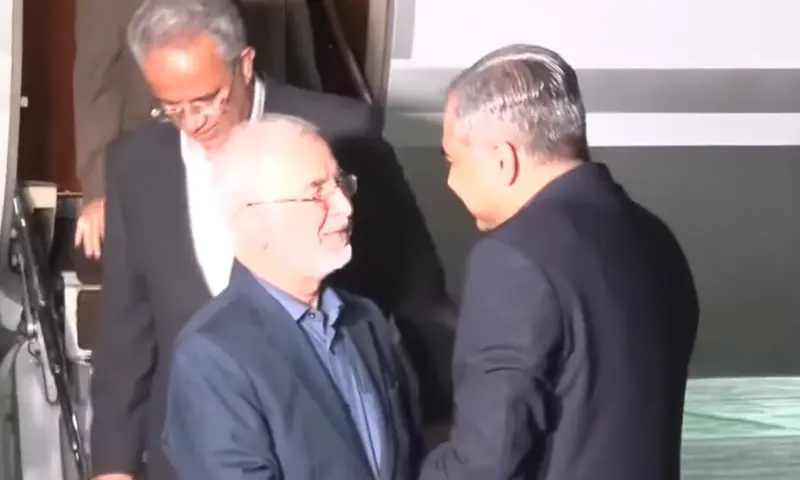
ISLAMABAD (MNN); Iran’s Interior Minister Eskandar Momeni arrived in Islamabad on Monday night for an official visit aimed at strengthening bilateral cooperation and discussing the rapidly evolving regional security situation.
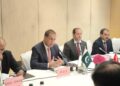
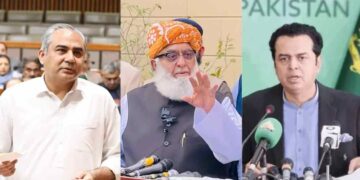
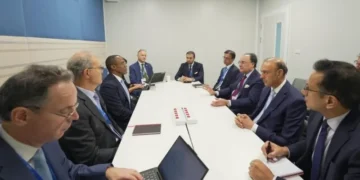
Upon his arrival, Momeni was warmly received by Pakistan’s Interior Minister Mohsin Naqvi. The Iranian minister is leading a high-level delegation during the visit, which is expected to focus on security cooperation, border management, regional peace, and ongoing diplomatic initiatives.
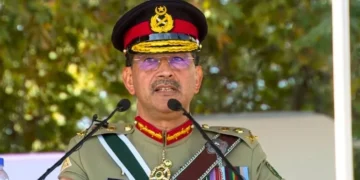
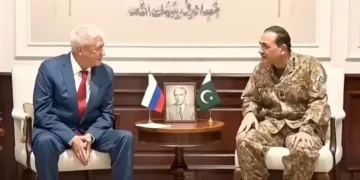
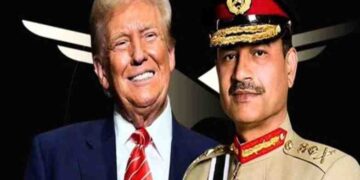
According to state-run Pakistan Television, Momeni is scheduled to hold meetings with Prime Minister Shehbaz Sharif and Chief of Defence Forces and Chief of the Army Staff Field Marshal Syed Asim Munir. The discussions are expected to cover bilateral ties, regional stability, and Pakistan’s continued diplomatic engagement aimed at reducing tensions in the Middle East.
Diplomatic sources indicate that the Iranian minister may also consult Pakistani officials who have played a key role in mediating between Tehran and Washington following the collapse of the Islamabad Memorandum of Understanding (MoU), an interim peace framework brokered by Pakistan last month.
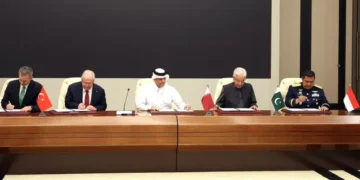
The visit comes at a time when Pakistan is continuing efforts to revive the Pakistan-mediated 14-point Islamabad MoU, signed on June 18, which was intended to halt hostilities between the United States and Iran, reopen the Strait of Hormuz, and prevent further escalation in the region.
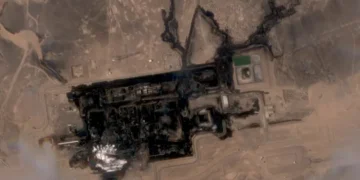
Meanwhile, the conflict between Washington and Tehran has intensified significantly. The United States continued its ninth consecutive night of military operations, expanding strikes to additional locations inside Iran, including an area hosting a nuclear power facility.
Iran responded with fresh military operations across the region. The Islamic Revolutionary Guards Corps (IRGC) claimed responsibility for strikes targeting locations in Bahrain, Jordan and Syria, while Bahraini authorities alleged that Iranian attacks also disrupted the country’s air navigation systems.
Political rhetoric has also hardened. US President Donald Trump recently declared that the ceasefire was effectively over, while Iranian President Masoud Pezeshkian described the confrontation as a “full-scale war,” accusing Washington of violating the Islamabad agreement.
Despite the renewed hostilities, diplomatic contacts have not completely ceased. Iranian Foreign Ministry spokesman Esmaeil Baqaei confirmed that indirect communications with the United States through international mediators remain ongoing.
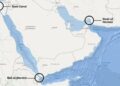
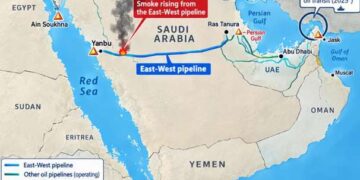
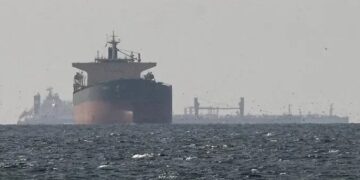
The renewed conflict has pushed global oil prices to their highest level in nearly a month as both sides compete for control over the strategically vital Strait of Hormuz. Iran has reinstated restrictions affecting maritime traffic through the waterway, while the United States has responded by tightening measures against Iranian ports.
Pakistan has remained actively engaged in regional peace efforts since the conflict erupted earlier this year, consistently urging dialogue and diplomacy to prevent a wider regional war and ensure uninterrupted global energy supplies.