




























ISLAMABAD (MNN); Interior Minister Mohsin Naqvi on Friday warned that the government would prevent any attempt to march towards Islamabad “in every possible way”, saying those who violate the Islamabad High Court’s (IHC) recent ruling would face legal action, including contempt of court proceedings.
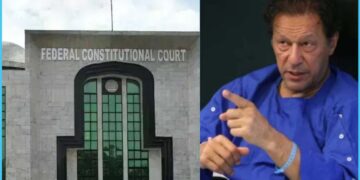
Naqvi’s remarks came after the IHC issued its 37-page detailed judgment concerning Pakistan Tehreek-e-Insaf’s (PTI) planned September 27 protest and long march towards the federal capital.
The court held that political parties have a constitutional right to peaceful assembly and political dissent, but that right remains subject to the Constitution and law and cannot be exercised in a manner that infringes the fundamental rights of other citizens.
The IHC ruled that no political party has the lawful authority to occupy or block public roads, highways, interchanges, toll plazas or public buildings. It also directed provincial governments not to use state resources, official vehicles or machinery for the proposed march.
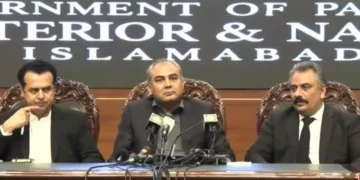
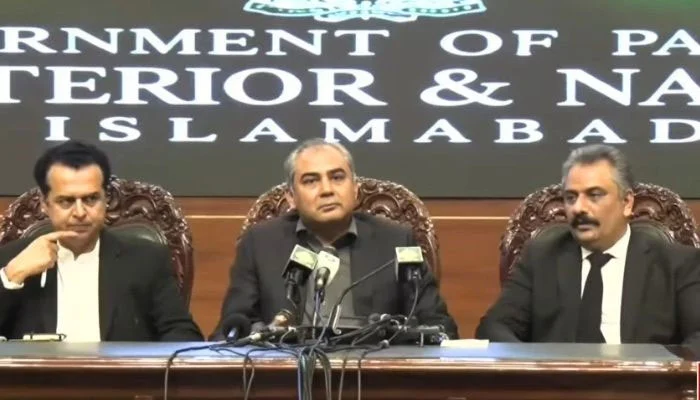
Addressing a press conference in Islamabad, Naqvi said the detailed judgment had made the legal position clear and warned that anyone taking to the streets in violation of the court order would first face contempt proceedings.
He said the government had informed law-enforcement agencies and provincial authorities of the decisions and that preparations had been completed to deal with any attempt to disrupt public order.
Naqvi urged political parties to hold peaceful demonstrations in their respective cities and provinces, while opposing any attempt to shut down Islamabad or enter another province through an armed or violent mobilisation.
He also referred to previous protests in which, according to his account, law-enforcement personnel suffered casualties and weapons were used. He said clear rules of engagement had been communicated to security agencies for the upcoming situation.
The minister said the organisers would be held responsible if anyone lost their life during an unlawful march. He urged opposition leaders to reconsider the planned protest and resolve political differences through constitutional and legal channels.
Naqvi also rejected the idea of using violence or armed groups in the name of political activity, saying peaceful political protest was different from an armed mobilisation.
IHC ruling
In its detailed judgment, the IHC emphasised that citizens’ fundamental rights, including life, liberty, dignity, freedom of movement and access to essential services, could not be compromised because of political activities.
The court said public roads are meant for the movement of citizens and cannot lawfully be blocked for political pressure or indefinite sit-ins. It also held that an armed march or a demonstration conducted through the use of government machinery does not enjoy constitutional protection.
The court further observed that public officials responsible for actions that violate citizens’ fundamental rights could face consequences for violating the Constitution and their oath of office.
Kohat attack
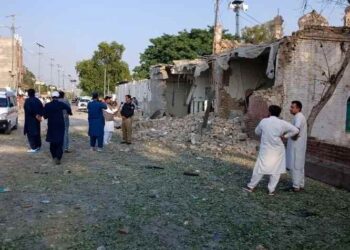
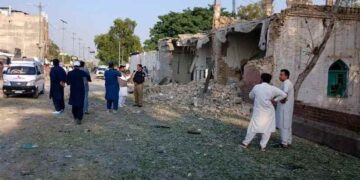
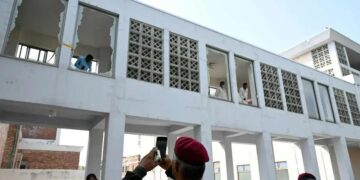
Referring to the deadly attack at Kohat Police Lines earlier on Friday, Naqvi said the government and security agencies were engaged in the fight against terrorism in Khyber Pakhtunkhwa.
He urged political leaders to focus on counterterrorism rather than mobilising people, arranging transport or collecting funds for protests.
The Kohat attack left at least 21 people dead, including 15 police personnel, while more than 80 people were injured, according to officials cited in the supplied report. The attack involved an explosives-laden vehicle and subsequent attacks on police facilities inside the compound.