



























ISLAMABAD (MNN); Opposition parties strongly rejected the Federal Budget 2026-27, accusing the government of ignoring economic realities, increasing the tax burden on citizens, and failing to tackle poverty, while the government maintained that the budget provides relief to various segments of society and supports economic growth.
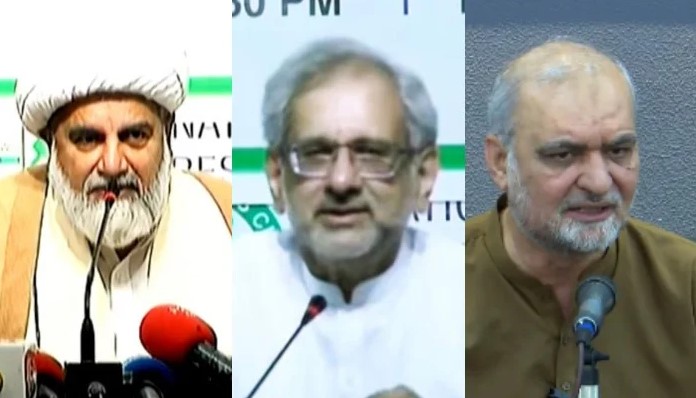
Speaking at a budget seminar in Islamabad, Senate Opposition Leader Allama Raja Nasir Abbas criticized the government’s economic claims, particularly its assessment of the poverty line. He argued that the ruling leadership was disconnected from ground realities and had failed to provide essential services to the public. According to Abbas, rising inflation and soaring food prices have pushed millions of Pakistanis deeper into poverty. He compared the country’s financial situation to a household whose expenses exceed its income, forcing it into debt and eventual asset sales. He also warned that holding future elections under the current system could produce undesirable outcomes.
Leader of the Tehreek-e-Tahafuz-e-Ayeen-e-Pakistan alliance, Mustafa Nawaz Khokhar, said growing poverty reflected the failure of existing economic policies. He stressed that economic progress should be measured by improvements in people’s lives rather than statistics. Khokhar argued that taxation could only be justified when the state delivers services and facilities to citizens, adding that poverty reduction must remain a central objective of economic planning.
Senior PTI leader Salman Akram Raja described the budget as an “economic emergency,” claiming that Pakistan remained trapped in a severe debt crisis. He said government claims of economic recovery did not match the realities faced by ordinary citizens. Raja warned that growing debt and rising interest payments posed serious challenges to the country’s future, while inadequate investment in health and education continued to hinder development.
Former prime minister and Awam Pakistan Party leader Shahid Khaqan Abbasi said the past four years had been among the most difficult for Pakistan’s economy. He noted that debt servicing and pension obligations had grown substantially, while new taxes had placed additional financial pressure on the public. Abbasi emphasized that sustainable economic progress required political stability, rule of law, and policy continuity to attract investment.
Meanwhile, Hafiz Naeemur Rehman criticized what he called an unfair tax system, claiming that ordinary citizens continued to shoulder a heavy tax burden without receiving meaningful relief. He called for the abolition of the petroleum levy, an end to capacity payments to independent power producers, and cuts in government expenditures, including lawmakers’ development funds and the use of high-engine-capacity official vehicles.
Defending the budget during a National Assembly session, Information Minister Attaullah Tarar described it as a relief-oriented budget designed to address the needs of all segments of society. He said economists and opinion leaders had responded positively to the budget and welcomed constructive criticism from the opposition.
Tarar highlighted tax relief measures for salaried individuals, noting that people earning up to Rs50,000 per month would remain exempt from income tax, while those earning between Rs50,000 and Rs100,000 would face a tax rate of only one percent. He said the government’s consistent policies had helped achieve macroeconomic stability and placed Pakistan’s economy on a path toward growth.
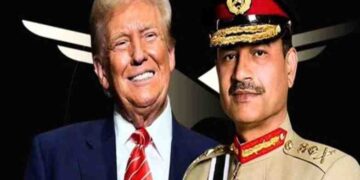
The minister also credited Field Marshal Syed Asim Munir for contributing to economic stability and said reforms in the Federal Board of Revenue would ensure that compliant taxpayers no longer carried the burden of those who evade taxes.