









































ISLAMABAD (MNN); The All Pakistan Petroleum Pump Owners Association (APPPOA) on Wednesday postponed its planned nationwide strike for two weeks after successful negotiations with Petroleum Minister Ali Pervaiz Malik, ending immediate concerns over a possible disruption in fuel supplies across the country.
The association had earlier announced an indefinite nationwide strike from Wednesday midnight after talks with the government over the proposed daily petroleum pricing mechanism failed to produce an agreement. Petrol pump owners had warned that nearly 15,000 fuel stations across Pakistan would remain closed, citing the proposed pricing system and stagnant dealer commissions as threats to their financial survival.
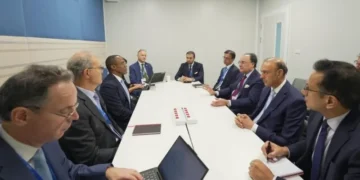
However, following a fresh round of negotiations held in Islamabad, both sides agreed to continue consultations, prompting the APPPOA to suspend its protest call.
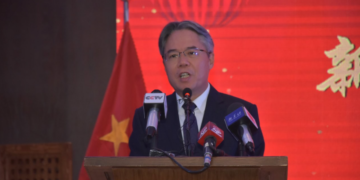
Speaking to the media after the meeting, Petroleum Minister Ali Pervaiz Malik said the government had assured petroleum dealers that all outstanding issues would be thoroughly reviewed and addressed within the next two weeks.
He said the government remained committed to protecting the interests of consumers as well as petroleum dealers, adding that continued dialogue was the best way to resolve concerns surrounding the proposed pricing mechanism.
The minister expressed confidence that a mutually acceptable solution would be reached through consultation with all stakeholders, including petrol pump owners, oil marketing companies (OMCs) and the Oil and Gas Regulatory Authority (OGRA).
APPPOA representatives said they had decided to defer the strike in view of the government’s assurance that their reservations regarding the proposed daily fuel pricing system, dealer commissions and operational issues would be seriously considered.
The association reiterated that its primary demand was the continuation of a predictable pricing mechanism and an increase in dealer commissions, which have remained unchanged for the past three years despite rising operational costs.
The dispute emerged after the government proposed shifting from the existing weekly petroleum price adjustment system to a daily pricing mechanism, based on a rolling average of international oil prices.
According to the Petroleum Division, the proposed system is aimed at enhancing transparency, reducing market distortions and ensuring domestic fuel prices more closely reflect fluctuations in international oil markets.
Petroleum dealers, however, argue that daily price revisions would create operational uncertainty, affect inventory management and place an additional financial burden on petrol pump operators while benefiting oil marketing companies.
The temporary agreement has averted an immediate fuel crisis, while both sides are expected to continue discussions over the coming fortnight in an effort to reach a long-term consensus.