















































ISLAMABAD (MNN); Defence Minister Khawaja Asif has warned that any unprovoked aggression against Saudi Arabia or any spillover of Yemen’s conflict into the kingdom could trigger the collective defence provisions of the Makkah Defence Alliance between Pakistan, Saudi Arabia and Türkiye.
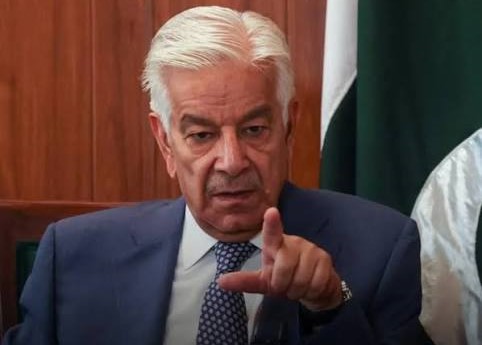
Speaking on Geo News programme Aaj Shahzeb Khanzada Kay Saath, Asif said there should be no doubt about the nature of the trilateral agreement, stressing that the three countries were bound by its terms and would honour their commitments if required.
“There should be no ambiguity; this is a joint defence agreement,” the minister said.
He explained that the pact was designed to provide mutual assistance if any of the three member states came under aggression. However, he clarified that it was not an offensive alliance intended to launch attacks against other countries.
“If there is aggression against one member state, all three member states will respond,” Asif said.
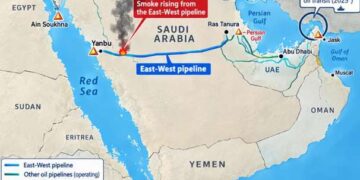
His remarks followed Houthi attacks on several cities and economic facilities in southern Saudi Arabia, including Abha, Khamis Mushait, Jazan and Najran, in which at least 73 civilians were reportedly injured.
Pakistan has strongly condemned the attacks, describing them as a blatant violation of Saudi Arabia’s sovereignty and territorial integrity and reaffirming its support for the kingdom’s security, stability and prosperity.
Asif Calls for Restraint, Warns Against Conflict Spillover
The defence minister expressed hope that tensions would ease and the situation would return to normal. He warned the Houthis that attempts to extend their internal conflict beyond Yemen could have serious consequences.
“If they try to export the conflict, the provisions of this agreement to counter aggression will become operative,” he said.
Asif described the Houthis as non-state actors and cautioned against using such groups to exploit bilateral disputes. He also noted that there was widespread sympathy for Iran across the Muslim world, including Yemen, but said the use of non-state actors in regional disputes could prove dangerous for those involved.
He said the defence pact could itself function as a deterrent and did not necessarily mean that Pakistan and its allies would respond to every act of aggression with military force.
“We don’t need to respond to a brick with a stone,” he said, arguing that the combined strength and demonstrated military capabilities of the three countries should discourage any potential aggression.
Asif also stressed that Saudi Arabia should not be drawn into what he described as an internal Yemeni conflict.
Pakistan Supported Saudi Arabia Even Before Defence Pact
The minister recalled that Pakistan had backed Saudi Arabia during a similar escalation in 2014, despite there being no formal defence agreement between the two countries at the time.
He attributed Pakistan’s position to the special status of Saudi Arabia and the longstanding close relationship between the two countries.
Despite the current deterioration, Asif said he remained hopeful that a route toward peace could still emerge. He maintained that diplomatic channels had not been completely exhausted and said indirect contacts with the relevant parties were already underway.
“We want to create an environment in which there is peace in the region because the entire region is at stake,” he said.
Asif also warned that continued conflict would serve Israel’s interests, while expressing confidence that international pressure would eventually help push the region towards peace.
Houthi Attacks Raise Wider Regional Concerns
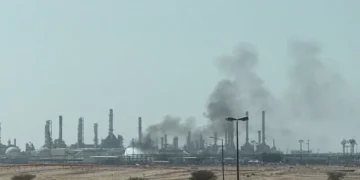
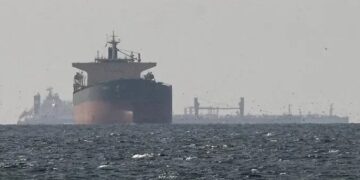
The latest attacks are not the first time the Houthis have targeted Saudi economic and energy interests. The group previously claimed responsibility for attacks on Saudi oil tankers, describing them as part of a naval blockade against the kingdom.
The Houthis control territory near the Bab el-Mandeb Strait, a strategically important maritime passage connecting the Red Sea with the Gulf of Aden. Their presence in the area gives them the ability to threaten vital international shipping routes.
Following the latest threats, the Saudi-led coalition supporting Yemen’s internationally recognised government warned that it would respond with what it described as unprecedented determination and force against any attack targeting Saudi Arabia, its citizens or national assets.
Makkah Defence Alliance Formalises Trilateral Security Cooperation
The latest escalation comes shortly after Pakistan, Saudi Arabia and Türkiye formalised their longstanding strategic and defence ties through the Makkah Defence Alliance.
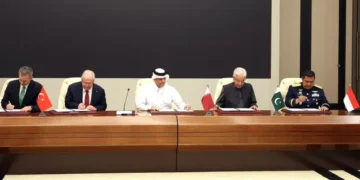
The trilateral framework was signed during the Makkah Al-Mukarramah Summit for Joint Defence and is aimed at strengthening collective deterrence, expanding military cooperation and supporting regional stability.
Although the agreement has drawn comparisons with alliances such as NATO, security analysts describe it primarily as a formal institutional framework for longstanding cooperation rather than a new offensive military bloc.
The pact builds on decades of political, military, economic and diplomatic ties among Pakistan, Saudi Arabia and Türkiye.
Analysts say the agreement reflects the changing regional security environment, including ongoing conflicts, emerging threats and the evolving nature of modern warfare.
At its core, the framework is based on collective security and deterrence, with aggression against one member treated as a potential threat to all three. This arrangement is intended to increase the cost of military aggression and discourage conflict.
The agreement also provides for closer military coordination, intelligence sharing, strategic consultations, defence planning and wider institutional cooperation. Pooling capabilities and improving strategic coordination are expected to strengthen preparedness and contribute to regional stability.