











































TEHRAN/PARIS (MNN); Iranian officials have warned of a strong response to any further Israeli military actions in Lebanon, even as Tehran and Washington move closer to signing a memorandum of understanding aimed at ending regional tensions and paving the way for a broader peace agreement.
According to Iran’s Khatam Al-Anbiya military command, Israel has allegedly violated the ceasefire in southern Lebanon 84 times during the past two days despite recent diplomatic efforts. Iranian state media quoted military officials as warning that any continued Israeli military activity in the area could trigger a firm response from Iran’s armed forces.
Ebrahim Azizi, chairman of Iran’s parliamentary National Security Committee, said the United States must build trust with Tehran by fully implementing all commitments outlined in the proposed agreement. He stressed that ending the conflict in Lebanon and ensuring Israel’s withdrawal from Lebanese territory were among the key expectations.
Azizi warned that any violation of the agreement would lead to a stronger response from Iran, adding that the country would firmly defend its national interests and sovereignty.
According to reports, an interim agreement between the United States and Iran could be signed on June 19 at the mountain resort in central Switzerland. Swiss authorities confirmed ongoing contacts with the United States, Iran, Pakistan and Qatar regarding the proposed memorandum of understanding.
The Swiss Foreign Ministry stated that the location was jointly proposed by Pakistani and Qatari mediators as well as representatives of Washington and Tehran.
Iranian Foreign Minister Abbas Araghchi said formal negotiations between the two countries would begin immediately after the signing of the agreement. He explained that an initial sixty-day negotiation period would follow, focusing on a comprehensive and final settlement covering Iran’s nuclear programme and the removal of economic sanctions.
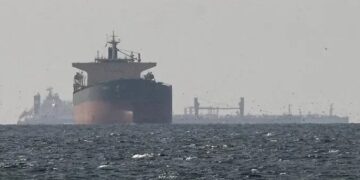
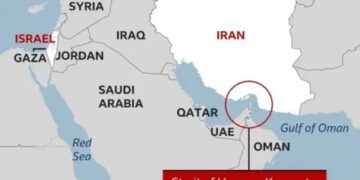
In a separate development, Iranian Foreign Minister Abbas Araghchi and Omani Foreign Minister Badr bin Hamad Al Busaidi reaffirmed their countries’ commitment to international maritime laws governing navigation through the Strait of Hormuz. Both leaders expressed hope that upcoming diplomatic efforts would strengthen regional stability and create conditions for lasting peace.
Iranian Parliament Speaker Mohammad Bagher Ghalibaf also reiterated Tehran’s support for Lebanon, calling on Israel to withdraw from what he described as occupied Lebanese territories. He emphasized that residents of southern Lebanon should be allowed to return safely to their homes.
Reports also suggest that the proposed US-Iran framework includes the establishment of a 300-billion-dollar private investment fund designed to encourage economic cooperation and investment in Iran. Sources familiar with the negotiations said more than half of the proposed investment commitments have already been secured.
The agreement is also expected to permit Iran to resume oil and fuel exports immediately after signing, providing a major economic incentive for both sides to pursue a final settlement.
Speaking during the G7 meetings in France, US President Donald Trump said the memorandum clearly states that Iran will not be allowed to possess nuclear weapons.
Trump also commented on the situation in Lebanon, suggesting that Syria should be allowed to take a greater role in confronting Hezbollah. He praised Syria’s current leadership and said Damascus could handle the challenge more effectively than Israel without causing wider civilian casualties.
The developments signal a potentially significant shift in regional diplomacy, with both Washington and Tehran seeking to transform the temporary understanding into a broader and more comprehensive agreement in the months ahead.