


























BEIJING/TEHRAN/ISLAMABAD (MNN); China has urged the United States and Iran to return to the Islamabad Memorandum of Understanding and resume substantive negotiations as Beijing pushes for de-escalation in the Middle East.
Chinese Foreign Minister Wang Yi made the appeal during talks with Iranian Foreign Minister Abbas Araghchi in Beijing on Wednesday, saying the prolonged US-Iran conflict was not in the interests of the parties involved or the wider international community.
Wang called on Washington and Tehran to remain rational, exercise restraint, revive the negotiating mechanism based on previous understandings and engage in substantive consultations on issues of mutual concern.
The appeal comes ahead of a planned meeting between Chinese President Xi Jinping and US President Donald Trump in Washington. The Islamabad understanding was reached in June through mediation efforts involving Pakistan and Qatar.
China Calls for Reopening of Strait of Hormuz
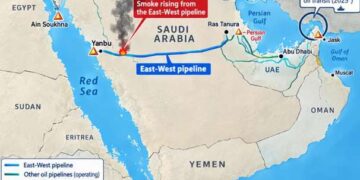
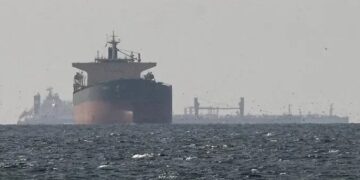
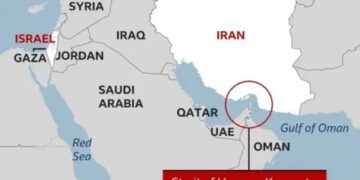
Wang also urged all sides to take effective measures to reopen the Strait of Hormuz, stressing the importance of safe and uninterrupted international shipping and stable global energy supply chains.
China also expressed support for dialogue between Iran and Gulf states and called for respect for territorial sovereignty, national security and the common interests of countries in the region.
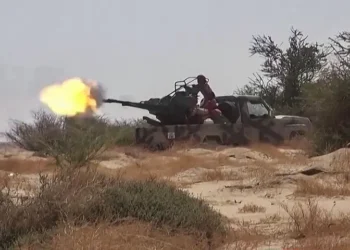
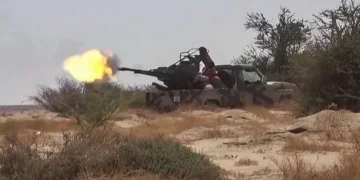
Wang said Beijing did not want the conflict to spread further into Yemen and the Red Sea, amid continuing hostilities involving Yemen’s Houthi movement and Saudi Arabia. He called on the parties to avoid further complicating the situation and resolve disputes through dialogue and negotiations.
Beijing Pledges Diplomatic Role
Wang told Araghchi that China, as a permanent member of the UN Security Council, was prepared to play a constructive role in resolving international disputes.
He also reaffirmed China’s strategic relationship with Iran and Beijing’s willingness to strengthen dialogue and cooperation with Tehran.
China is a major buyer of Iranian oil, while bilateral economic relations remain an important component of the two countries’ strategic partnership.